HealthTech in India: A Revolution in Your Pocket

Medically reviewed by Dr. Nikhil Singh, Anaesthesia, MBBS, MD
Last reviewed: 24 Aug 2026 · How we review health content
For decades, accessing quality healthcare in India has been a challenge for many. Long queues, the distance to good doctors, and rising costs have been common hurdles. But a new wave is transforming this landscape. The rise of Indian HealthTech startups is not just a trend; it's a revolution that's putting healthcare back into the hands of the people, from the bustling streets of Delhi to the smaller towns of Uttar Pradesh.
The New Face of Indian Healthcare
Indian HealthTech startups are leveraging the country's strong IT infrastructure to solve some of the most persistent problems in our medical system. As noted by industry experts, these companies are bridging critical gaps in accessibility, affordability, and quality. They are using the latest technologies to reinvent patient care, focusing on putting the patient first. This means you no longer have to plan your entire day around a single doctor's appointment.
The core mission is simple: use technology to make healthcare simple, convenient, and effective. Whether it's through an app on your phone or a website, these platforms are bringing a world of medical services right to your home. It’s like having a ‘ghar ka doctor’ available on call, backed by the power of modern technology.
How HealthTech Startups Are Solving Real-World Problems
These innovative companies are not just creating apps; they are building solutions for deep-rooted issues within the Indian healthcare ecosystem. Their impact can be seen across several key areas, making a tangible difference in the lives of millions.
Making Healthcare Accessible to All
One of the biggest victories for HealthTech is breaking down geographical barriers. Startups are decentralizing healthcare, allowing diagnostics and monitoring to happen remotely. Imagine being in a remote village and getting a consultation from a specialist in a major city like Lucknow. This is the power of telemedicine.
- Teleconsultations: Connect with doctors via video or phone calls, getting prescriptions and advice without leaving your home. This is especially crucial for follow-up appointments and managing chronic conditions.
- Digital Health Records: Securely store all your medical history in one place, accessible anytime. No more hunting for old reports and prescriptions.
- Reaching Underserved Areas: Mobile health vans and remote diagnostic tools are bringing primary healthcare services to areas that have been historically neglected.
Bridging the Affordability Gap
Good health shouldn't come at the cost of your life's savings. HealthTech startups are tackling this by optimizing processes and increasing competition, which ultimately benefits the consumer.
- Discounted Medicines: E-pharmacies offer significant discounts on medicines and deliver them directly to your doorstep, ensuring you never miss a dose.
- Affordable Health Check-ups: Many platforms provide packages for preventive health check-ups at discounted rates, encouraging a proactive approach to health.
- Transparent Pricing: Digital platforms often provide clear pricing for services, helping you make informed decisions without the fear of hidden costs.
Enhancing the Quality of Care
Technology is also playing a crucial role in improving the quality and effectiveness of medical treatments. By using data and advanced tools, startups are enabling better health outcomes.
- AI-Powered Diagnostics: Artificial intelligence is being used to analyze medical images like X-rays and MRIs with greater accuracy, assisting doctors in making quicker and better diagnoses.
- Personalized Treatment Plans: Wearable devices and health apps collect data on your lifestyle, allowing for customized health advice and treatment plans for conditions like diabetes and hypertension.
- Seamless Patient Experience: From booking appointments to paying bills and receiving reports, HealthTech platforms have streamlined the entire process, making it stress-free and efficient.
The Road Ahead for HealthTech in India
While the journey has been remarkable, it's not without its challenges. HealthTech startups must navigate complex regulatory pathways, secure funding for innovation, and, most importantly, build trust among a population that is gradually adapting to digital solutions. However, the intent is positive and the potential is immense.
These companies are not just businesses; they are architects of a new, healthier India. By putting the patient at the center of their innovations, they are ensuring that the future of healthcare is not only digital but also deeply empathetic and inclusive. The next time you use an app to order medicine or consult a doctor, remember that you are part of a massive, positive change that is making India healthier, one click at a time.
Related reading
Have More Questions?
Find quick answers to common questions about our services, appointments, and patient care.
HealthTech, or Health Technology, refers to the use of technology like software, mobile apps, and artificial intelligence to improve the delivery, payment, and/or consumption of healthcare services.
They achieve this by streamlining supply chains for medicines (e-pharmacies), offering competitive pricing on consultations and diagnostic tests, and reducing travel and incidental costs for patients through telemedicine.
Reputable HealthTech companies in India are required to follow data privacy laws to protect patient information. It is always advisable to use well-known, certified platforms and review their privacy policies before sharing your data.

Written by Dr. Nikhil Singh · Anaesthesia, MBBS, MD
Private hospitals in Gorakhpur on Zospital
Prefer a private option? These hospitals in Gorakhpur list their doctors and take bookings.
- Aastha Hospital & IVF Center, Gorakhpur
- Shankar Eye and Maternity Clinic- Best eye hospital | Best eye surgeon | Eye and Maternity clinic in Gorakhpur
- Trimurti Hospital - Dr. Sanjeev kumar Singh
Related Articles

How to Protect Yourself From Heatwave Conditions in Uttar Pradesh?
Heatwaves in Uttar Pradesh can significantly impact health, increasing the risk of dehydration, heat exhaustion, and heat stroke. Learn practical tips to stay safe during extreme summer temperatures.

ICU Charges in India: A Guide to Daily Costs & Breakdown
A comprehensive guide for families in North India to understand the various costs associated with ICU treatment, what factors influence the final bill, and how to manage the financial burden.
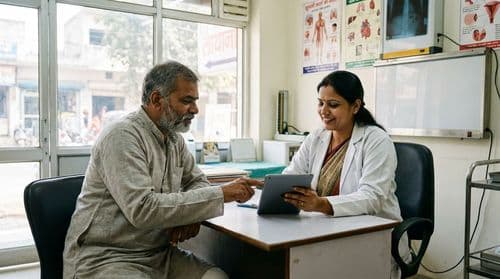
Google Before Doctor? How the Internet Shapes Health in India
The internet has changed how we access health information, creating both empowered patients and anxious 'cyberchondriacs'. This guide explores its effect on the modern doctor-patient relationship.

Written by Dr. Nikhil Singh
Anaesthesia, MBBS, MD
Last reviewed: 24 August 2026
Medical Disclaimer
The content provided on Zospital is for general informational and educational purposes only. It is not intended as a substitute for professional medical advice, diagnosis, or treatment. Always seek the advice of your physician or other qualified healthcare provider with any questions you may have regarding a medical condition. Never disregard professional medical advice or delay in seeking it because of something you have read on this website. If you think you may have a medical emergency, call your doctor or emergency services immediately.
Are you a doctor or run a clinic or hospital?
Patients across India are searching Zospital right now. Get a free profile with reviews, timings and direct WhatsApp bookings.