Heart Attack Under 40? Understanding the Warning Signs

Medically reviewed by Dr. Nikhil Singh, Anaesthesia, MBBS, MD
Last reviewed: 19 Sept 2026 · How we review health content
The monsoon had finally broken over Lucknow, washing the dust from the streets and bringing a welcome coolness to the air. For 35-year-old Rohan, a software engineer living in Gomti Nagar, it was the perfect excuse for a round of hot samosas and chai with his team. A few hours later, back at his desk, he felt a strange tightness in his chest. He blamed the oily snack. 'Just gas,' he mumbled to himself, popping an antacid.
But the feeling didn't quite go away. That evening, while playing cricket with his son in the park, the tightness returned. This time, it was accompanied by an odd ache in his jaw and a wave of clammy sweat that had nothing to do with the humidity. It wasn't the dramatic, chest-clutching pain from the movies. It was just... unsettling. Rohan's story isn't unique. It's a scene playing out with increasing frequency across India, challenging a long-held belief about who gets heart attacks.
It's Not Just for the Elderly Anymore
For generations, we've associated heart disease with our parents and grandparents. It was considered an 'old person's problem,' something to worry about after retirement. That comforting myth is rapidly crumbling. Today, a significant and growing number of cardiac events are happening in people in their 20s and 30s. The data from Indian health bodies is clear: the age for the first heart attack is dropping.
), can begin decades earlier, silently and without symptoms. Your age is just a number; your body's internal clock might be ticking faster.
Beyond Hollywood Chest Pain: How Symptoms Present Differently
When you think 'heart attack', you probably picture someone collapsing, clutching their chest in agony. This classic symptom—crushing chest pain, often described as an elephant sitting on your chest, that may radiate to the left arm or jaw—is certainly a major red flag. But for younger adults and women, the signs can be far more subtle and confusing.
, and they are dangerously easy to dismiss. Pay close attention if you experience:
- Extreme, unusual fatigue: Not just feeling tired after a long day, but a profound exhaustion that makes simple tasks feel impossible.
- Shortness of breath: Feeling winded after climbing a single flight of stairs or even while resting.
- Pain in other areas: Discomfort in the back, neck, jaw, or even the stomach. For Rohan, that jaw ache was a critical clue.
- Nausea and dizziness: Feeling sick to your stomach, lightheaded, or breaking out in a cold sweat for no apparent reason.
The sensation may not even be 'pain'. Many people describe it as an uncomfortable 'pressure', 'squeezing', or 'fullness' in the chest. Because it doesn't fit the dramatic stereotype, it's often ignored until it's too late. The early signs of a heart attack can be whispers before they become a scream.
The 'Indian Factor': Why Are Younger Indians More Vulnerable?
It's a question cardiologists across the country are grappling with: why are we seeing so many young patients? The answer lies in a mix of our genes, our plates, and our daily pressures.
- Genetic Predisposition: Research from organisations like the World Health Organization (WHO) has shown that people of South Asian descent have a genetic tendency to develop heart disease at an earlier age. Our arteries can be narrower, and we are more prone to developing high blood pressure (hypertension) and diabetes.
- The Diet Dilemma: Our traditional diets, especially in Uttar Pradesh, are rich and delicious, but can be heavy on refined carbohydrates, saturated fats, and sugar. Think of frequent helpings of puri-sabzi, ghee-laden parathas, and festive sweets. While fine in moderation, a regular diet high in these foods contributes to high cholesterol and triglyceride levels, directly impacting heart health.
- Urban Stress: Life in a bustling city like Lucknow involves high-pressure jobs, long commutes, and disturbed sleep schedules. Chronic stress floods the body with hormones like cortisol, which can increase blood pressure, cholesterol, and blood sugar—all major risk factors for heart disease.
- The 'Thin-Fat' Indian: A common phenomenon in India is 'abdominal obesity'. You might not look overweight and may have a normal Body Mass Index (BMI), but you carry excess fat around your waist. This visceral fat is metabolically active and a key driver of insulin resistance and inflammation, significantly raising your cardiac risk even if you appear thin.
Is It Just Acidity or Something More Serious?
This is the million-rupee question for many, including Rohan. The burning sensation of 'gas trouble' or acidity can feel remarkably similar to the chest discomfort of a heart issue. This overlap leads many to delay seeking help, often with serious consequences.
So how can you tell the difference? While there's no substitute for a medical evaluation, here are some clues:
Cardiac pain often feels like pressure or tightness and can worsen with physical activity (like walking or climbing stairs). Gastric pain is more often a burning sensation that might be related to meals and can sometimes be relieved by sitting up or taking an antacid.
Pay attention to the company the pain keeps. If your chest discomfort comes with friends like sweating, breathlessness, dizziness, or pain radiating to your arm or jaw, the suspicion for a cardiac cause goes way up. Acidity rarely brings these companions along.
The most important advice? Don't play doctor. If you've taken an antacid and the discomfort persists or worsens, or if it's accompanied by any of the other symptoms mentioned, it's time to get it checked out. It's better to be told it's 'just gas' by a doctor than to assume it is and be wrong.
Red Flags: When to Stop Everything and Seek Emergency Care
) is a medical emergency where time is muscle. The faster you get treatment, the more heart muscle can be saved. If you or someone you know experiences any of the following, seek immediate medical help. Don't drive yourself; call an ambulance.
- Chest Discomfort: Any new, persistent, or worsening pressure, tightness, squeezing, or pain in the center of the chest that lasts more than a few minutes.
- Radiating Pain: Discomfort that spreads to the shoulders, neck, back, arm (especially the left), or jaw.
- Shortness of Breath: Occurring with or without chest discomfort, especially at rest.
- Other Signs: A sudden cold sweat, unexplained nausea or vomiting, lightheadedness, severe weakness, or a sense of impending doom.
that demand action. Don't wait to see if they go away.
Key Takeaways: Protecting Your Heart in Your Prime
Understanding your cardiac risk in your 30s isn't about being paranoid; it's about being proactive. Small changes and awareness can make a huge difference.
- Don't Dismiss, Discuss: Your body sends signals for a reason. If you feel something is 'off'—be it unusual fatigue, breathlessness, or chest discomfort—don't brush it aside because you think you're 'too young'. Discuss it with a qualified healthcare provider.
- Know Your Family Tree: Did your father, mother, or siblings have heart issues before age 55? This is a critical piece of your health puzzle. Inform your doctor about your family history; it helps them assess your personal risk.
- Rethink Your Plate: You don't have to give up your favourite foods entirely. Focus on balance. Add more vegetables, fruits, and whole grains. Reduce the frequency of deep-fried foods and sugary drinks. Cook with less oil and salt. Small, consistent changes are more effective than drastic, short-lived diets.
- Move Your Body: You don't need a gym membership. A brisk 30-minute walk, five days a week, is a great start. Take the stairs, walk while on the phone, or play a sport. Find an activity you enjoy and make it a non-negotiable part of your routine.
- Get Your Numbers Checked: After age 30, it’s a good idea to have a baseline check-up that includes your blood pressure, blood sugar, and cholesterol levels. Knowing your numbers is the first step to managing them.
Your heart is your most vital asset. Taking care of it in your youth is the best investment you can make for a long and healthy future.
Medical Disclaimer
The information provided in this article is for general informational and educational purposes only. It is not intended as a substitute for professional medical advice, diagnosis, or treatment. Always seek the advice of your physician or other qualified healthcare provider with any questions you may have regarding a medical condition. Never disregard professional medical advice or delay in seeking it because of something you have read in this article.
Related reading
Top Cardiologist doctors in Gorakhpur on Zospital
Explore professional profiles and available appointment options.
- Book appointment
Dr Ankur Gautam, DM Cardiologist
CardiologistGreater NoidaVerified•5 - Book appointment
Interventional Cardiologist Amravati- Dr Shailesh Jayade
CardiologistAmravatiVerified•4.8 - Book appointment

Dr. Ashutosh Singh (DM Cardiology)
CardiologistGorakhpur5 - Book appointment
Dr Rahul Ranjan – Cardiologist
CardiologistGorakhpur5 - Book appointment

Dr. Dhananjay Mishra
CardiologistGorakhpur4.9 - Book appointment

Dr. Merajul Haque
CardiologistGorakhpur4.9
Have More Questions?
Find quick answers to common questions about our services, appointments, and patient care.
Yes, it is possible. Fitness on the outside doesn't always reflect internal health. Underlying risk factors like high cholesterol, high blood pressure, stress, or a strong family history can lead to a heart attack even in physically active individuals.
No, not all chest pain is heart-related. It can be caused by muscle strain, anxiety, or digestive issues like acidity. However, because it can be a sign of a heart attack, any new or unexplained chest pain should be evaluated by a doctor to be safe.
Chronic stress can lead to high blood pressure, unhealthy eating habits, poor sleep, and reduced physical activity, all of which are major risk factors for heart disease. It can also trigger events like a heart attack in individuals with pre-existing conditions.
Having a close male relative (like a father or brother) who had a heart attack before age 55 does increase your genetic risk. It's important to discuss this with your doctor, who may recommend earlier screenings and more aggressive management of lifestyle risk factors.

Written by Dr. Nikhil Singh · Anaesthesia, MBBS, MD
Private hospitals in Gorakhpur on Zospital
Prefer a private option? These hospitals in Gorakhpur list their doctors and take bookings.
- Aastha Hospital & IVF Center, Gorakhpur
- Shankar Eye and Maternity Clinic- Best eye hospital | Best eye surgeon | Eye and Maternity clinic in Gorakhpur
- Trimurti Hospital - Dr. Sanjeev kumar Singh
Related Articles
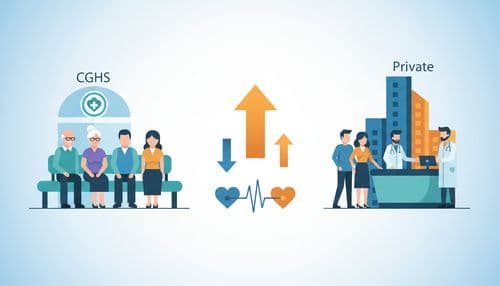
Heart Bypass (CABG) Cost: CGHS vs Private (North India)
A cost comparison of coronary artery bypass (CABG) across CGHS and private hospitals in North India.

Heart Bypass (CABG) Cost in India vs. USA, UK, Australia
An overview of the costs for Coronary Artery Bypass Grafting (CABG) surgery in India, the United States, the United Kingdom, and Australia, designed for international patients and Non-Resident Indians (NRIs) arranging care for family in India.
Heart Transplant in India: Costs, Timelines, and Critical Decisions
For patients battling end-stage heart failure, a heart transplant can be a life-altering procedure, offering a renewed chance at a full and active life.

Written by Dr. Nikhil Singh
Anaesthesia, MBBS, MD
Last reviewed: 19 September 2026
Medical Disclaimer
The content provided on Zospital is for general informational and educational purposes only. It is not intended as a substitute for professional medical advice, diagnosis, or treatment. Always seek the advice of your physician or other qualified healthcare provider with any questions you may have regarding a medical condition. Never disregard professional medical advice or delay in seeking it because of something you have read on this website. If you think you may have a medical emergency, call your doctor or emergency services immediately.
Are you a doctor or run a clinic or hospital?
Patients across India are searching Zospital right now. Get a free profile with reviews, timings and direct WhatsApp bookings.