Menstrual Cramps: Normal Pain or a Warning Sign?

More in Gynecologist Guides
- Pap Smear vs HPV Test: A Guide for North Indian Women
- Postpartum Secrets: What Indian Doctors Want You to Know
- Gestational Diabetes: A Guide for North Indian Moms-to-Be
- Why Visiting a Gynecologist is Vital for Women's Health
- New Delhi Gynecologists: A 5-Minute Profile to Reach Patients
- Lucknow Patients Choose a Gynecologist Before They Call
Medically reviewed by Dr Aparna Khandelia, Obs & Gynae Surgeon, MBBS, MS
Last reviewed: 19 Sept 2026 · How we review health content
For many women across North India, from Lucknow to Delhi, period pain, or menstrual cramps, is a familiar monthly visitor. This throbbing or cramping pain in the lower abdomen can range from a mild annoyance to a debilitating experience. But how do you know if your pain is just a normal part of your cycle or a sign of something more serious? Let's break it down.
What Causes Menstrual Cramps?
During your menstrual period, your uterus contracts to help expel its lining. Hormone-like substances called prostaglandins trigger these muscle contractions. Higher levels of prostaglandins are associated with more severe menstrual cramps. This common type of pain is called primary dysmenorrhea.
However, sometimes the pain is caused by an underlying medical condition, such as uterine fibroids or endometriosis. This is known as secondary dysmenorrhea, and the pain often worsens over time.
Identifying Normal vs. Severe Period Pain
Understanding what's 'normal' is the first step. According to health bodies like the Mayo Clinic, typical menstrual cramps often start 1 to 3 days before your period, peak 24 hours after it begins, and then subside in 2 to 3 days. The pain is usually a manageable, albeit uncomfortable, cramping in the lower abdomen.
However, there are several red flags that suggest your pain might not be normal. You should not ignore these warning signs:
- The Pain is Debilitating: If your cramps are so severe that they consistently stop you from doing your daily activities like going to work, college, or even managing household chores, it's a major red flag.
- It Lasts Too Long: Pain that continues for more than three days is considered unusual and warrants a check-up.
- Pain Worsens or Appears Later in Life: If you're over 25 and suddenly start experiencing severe cramps for the first time, or if your usual cramps suddenly get much worse, it's time to consult a doctor.
- Accompanied by Other Symptoms: Period pain paired with excessive bleeding, a fever, or pain during intercourse is not typical and should be investigated.
Desi Nuskhe for Managing Mild Cramps
For the usual, mild-to-moderate cramps, many find comfort in simple home remedies that have been passed down through generations.
Warmth is Your Best Friend
A hot water bag or a heating pad placed on your lower abdomen or back can work wonders. A warm bath can also help relax your uterine muscles and ease the pain.
Comforting Ghar ka Khana and Drinks
Staying hydrated is key. Warm drinks like ginger tea (adrak chai) or ajwain (carom seed) water can be very soothing. Eating light, warm, home-cooked meals and avoiding overly salty or processed foods can also help reduce bloating and discomfort.
Gentle Movement
While it might be the last thing you feel like doing, gentle stretching or a short walk can increase blood flow and help relieve cramps. Certain yoga asanas are also known to be beneficial.
When to See a Doctor
It's crucial to remember that you don't have to suffer in silence. If your period pain matches any of the red flags mentioned above, it could be a sign of an underlying condition like endometriosis or fibroids. These conditions are treatable, but an accurate diagnosis is the first and most important step.
Listening to your body is essential. While mild cramps are a normal part of life for many, severe pain that disrupts your life is not. Don't hesitate to seek professional medical advice to understand the cause and find the right treatment.
Experiencing persistent symptoms? Consult Dr. Richa Gangwar, a leading Gynaecologist in your area. Book Appointment
Related reading
Top Gynecologist doctors in Lucknow on Zospital
Explore professional profiles and available appointment options.
- Book appointment

Dr. Megha Sarakshi Chadha
GynecologistPatnaVerified•4.9 - Book appointment

Dr. Jaya Singh
GynecologistDehradunVerified - Book appointment
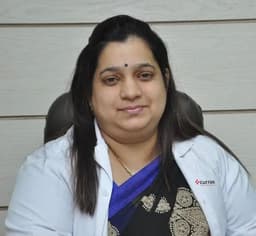
Dr. Vidya Shetty
GynecologistThaneVerified•5 - Book appointment
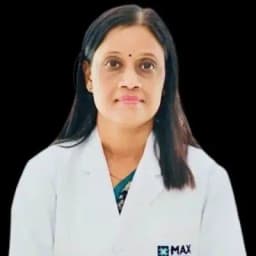
Dr. Richa Gangwar
GynecologistLucknowVerified•4.9 - Book appointment

Dr. Anjana Jain
GynecologistLucknow4.9 - Book appointment

Dr. Peeyusha Wadhwani Rajani
GynecologistLucknow4.9
Have More Questions?
Find quick answers to common questions about our services, appointments, and patient care.
You should speak to a doctor if you experience severe period pain that stops you from doing day-to-day activities or if the pain worries you. It's important to get checked and not suffer in silence.
A red flag for period pain is severe pain during your cycle, or pain that occurs before and after, especially when accompanied by excessive bleeding. This could be a sign of a more serious condition like endometriosis or fibroids.

Written by Dr Aparna Khandelia · Obs & Gynae Surgeon, MBBS, MS
Private hospitals in Lucknow on Zospital
Prefer a private option? These hospitals in Lucknow list their doctors and take bookings.
- Paarth Eye Hospital & Retina Centre
- Urmila Devi Memorial Hospital- Child Specialist Hospital in Lucknow | Pediatrician hospital
- SPARSH CHILDREN'S HOSPITAL & VACCINATION CENTER | Child Hospital in Raebareli Road Lucknow | Dr. Akhilesh Pandey |
Related Articles
Pap Smear vs HPV Test: A Guide for North Indian Women
A comprehensive guide for women in North India explaining the crucial differences between the Pap smear and the HPV test for cervical cancer screening.
Postpartum Secrets: What Indian Doctors Want You to Know
Discover the unspoken truths about the postpartum journey. This guide helps new mothers in India navigate the physical and emotional challenges after childbirth.

Gestational Diabetes: A Guide for North Indian Moms-to-Be
A comprehensive guide for expecting mothers in North India on understanding and managing gestational diabetes through diet, lifestyle, and proper care for a healthy pregnancy.

Written by Dr Aparna Khandelia
Obs & Gynae Surgeon, MBBS, MS
Last reviewed: 19 September 2026
Medical Disclaimer
The content provided on Zospital is for general informational and educational purposes only. It is not intended as a substitute for professional medical advice, diagnosis, or treatment. Always seek the advice of your physician or other qualified healthcare provider with any questions you may have regarding a medical condition. Never disregard professional medical advice or delay in seeking it because of something you have read on this website. If you think you may have a medical emergency, call your doctor or emergency services immediately.
Are you a doctor or run a clinic or hospital?
Patients across India are searching Zospital right now. Get a free profile with reviews, timings and direct WhatsApp bookings.